Introduction
Photography in nature is not practically pointing an electronic camera and https://jsbin.com/ clicking a button; it's an art that intertwines passion, strategy, and a profound appreciation for the great outdoors. Whether you're hiking up a marvelous mountain, camping under the stars, or just taking a walk along a serene forest trail, recording the essence of these moments can transform common experiences into extraordinary memories.
This extensive guide will dig deep into photography in nature, providing valuable insights on how to record breathtaking images during your outside experiences. We'll explore various elements, from picking the best equipment to understanding lighting conditions and mastering composition methods. Along with this, we'll offer vital info on treking tracks, camping tips, and outside necessary to boost your adventure.
Photography in Nature: Catching the Beauty of Your Outside Adventures
The Significance of Gear in Nature Photography
When venturing into the wilderness to catch stunning images, having the right gear can make all the distinction. Your choice of camera devices should line up with your specific outdoor activities-- be it hiking, camping, or wildlife observation.
Essential Cam Devices for Outdoor Photography
Camera Body: DSLRs and mirrorless electronic cameras are popular choices for their versatility. Lenses: Wide-angle lenses are ideal for landscapes, while telephoto lenses are ideal for wildlife photography. Tripods: A tough tripod is necessary for long direct exposures and low-light situations. Filters: Polarizing filters can lower glare and enhance colors in nature photography. Storage Solutions: Bring additional memory cards and backup gadgets to ensure you do not miss out on any moments.Portable Camping Gear for Photographers
Many photographers select to camp out near their preferred shooting places to optimize their time outdoors. Here are some ingenious hot camping tents and four-season tents that can elevate your photography experience:
- Hot Tents: These tents come geared up with wood stoves, ensuring comfort even in colder months. Four-Season Tents: Designed to hold up against severe weather, these camping tents are best for winter outdoor camping trips.
Planning Your Photography Adventure
Before embarking on your outside photography journey, thorough preparation is crucial.
Researching Camping Destinations
Are you searching for spectacular landscapes or vibrant wildlife? Investigating prospective camping destinations will help you determine locations that align with your photographic objectives. Websites like AllTrails offer comprehensive trail maps together with user evaluates that emphasize picturesque spots worth capturing.
Understanding Weather Considerations for Camping
Weather plays an integral role in nature photography. Overcast skies can supply soft lighting suitable for landscapes however may prevent dynamic colors throughout sunrise or sunset. Always inspect weather forecasts before heading out!
Hiking Trails: The Path to Great Shots
Hiking trails often lead you to some of the most picturesque views.
Choosing Hiking Routes Based on Ability Level
Select treking routes that fit your ability level while offering fascinating image opportunities:
- Easy Trails: Ideal for novices; think brief walkings with stunning vistas. Moderate Trails: Perfect for those who desire an obstacle without being excessively strenuous. Difficult Trails: For experienced hikers looking for uncommon angles and unblemished landscapes.
Photography Techniques for Capturing Nature's Beauty
Understanding numerous photography strategies will substantially improve your capability to record awesome images.
Mastering Structure Techniques
Rule of Thirds: Position key elements along imaginary lines dividing your frame into thirds. Leading Lines: Usage natural lines such as rivers or roads to draw viewers into your shot. Framing: Utilize natural frames like branches or rocks to focus attention on your subject.Lighting Tips for Outdoor Photography
Great lighting can elevate a typical shot into something amazing:
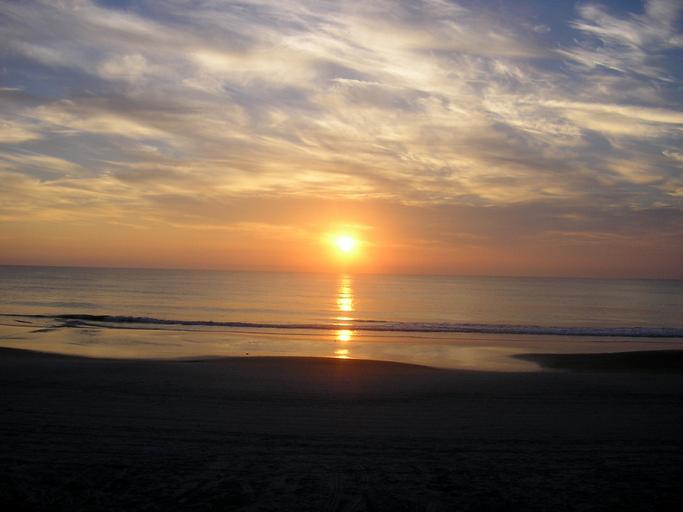
Golden Hour: The hour after daybreak and before sundown offers soft light ideal for landscapes. Backlighting: Shooting towards the sun can create dramatic silhouettes. Soft Light: Overcast days produce diffused light ideal for recording information without severe shadows.Outdoor Cooking and Campfire Recipes
After a long day of shooting, absolutely nothing beats calming down around a campfire with tasty food.
Camping Recipes That Are Easy to Prepare
Here are a couple of fast recipes:
- Foil Pack Fajitas: Marinate chicken strips with peppers and onions; cover them in foil and cook over coals. Campfire Chili: Integrate canned beans, tomatoes, corn, and spices in a pot over the fire. S'mores: You can't go wrong with this classic reward-- just roast marshmallows over the fire!
Wildlife Observation Techniques
To truly catch nature's appeal, understanding local flora and animals is key.
Best Practices for Wildlife Photography
Patience is Key: Wait quietly at perspective where animals frequent. Use Telephoto Lenses: This enables you to capture wildlife without disturbing them. Understand Animal Behavior: Understanding when animals are most active increases your chances of getting terrific shots.Eco-Friendly Camping Practices
As nature professional photographers who love spending time outdoors, it's important we give back by adopting sustainable practices:
1. Leave No Trace Principles
By adhering to these concepts-- such as dealing with waste correctly-- you help maintain natural appeal for future generations.
2. Use Eco-Friendly Products
Opting for eco-friendly soaps or reusable containers decreases environmental effect throughout your adventures.
Conclusion
In summary, photography in nature offers an amazing chance to value-- and share-- the appeal surrounding us while also enhancing our outdoor experiences through activities like treking and camping adventures. By equipping yourself with proper knowledge about equipment choice, weather condition factors to consider, structure strategies along with practicing responsible environment-friendly practices during expeditions; you not only enhance your own journey however contribute favorably towards maintaining our precious environment!
Frequently Asked Concerns (Frequently asked questions)
1. What gear do I require for outdoor photography?
You'll need an excellent cam body (DSLR or mirrorless), lenses matched to your subjects (wide-angle or telephoto), tough tripod, filters like polarizers, plus adequate storage solutions such as additional memory cards.
2. How do I discover great camping destinations?
Research online resources like AllTrails that supply comprehensive path maps along with user evaluations highlighting beautiful locations worth photographing!
3. What are some suggestions on photographing wildlife?
Be client! Wait silently at perspective where animals frequent; use telephoto lenses so you won't disrupt them while trying various angles until you find one that best captures their essence!
4. How can I prepare meals quickly while camping?
Simple recipes like foil pack fajitas or campfire chili need minimal preparation yet provide scrumptious outcomes after an eventful day spent exploring-- do not forget s'mores too!
5. Why is lighting essential in nature photography?
Lighting dramatically affects how topics appear-- it assists shape state of mind within photos! Golden hour develops soft light best for landscapes while backlighting adds drama through shapes recorded against bright skies above!
6. What environment-friendly practices need to I follow when camping?
Adhere strictly adhere Leave No Trace concepts-- appropriately get rid of waste/recycle whenever possible-- and choose environment-friendly items like eco-friendly soaps & & recyclable containers-- this guarantees conservation natural appeal future generations delight in simply as much we do today!